
Smartphone durability decides how long your device stays useful and safe to use. Many people focus only on specs or camera quality, yet a fragile phone can fail after a few drops or months of daily wear. Real durability covers the frame, glass, internal layout, water and dust resistance, and how small design details handle stress. Marketing terms and lab tests do not always match real-world experience. By understanding what actually protects your device, you can choose a phone that survives busy days, travel, and accidents. This guide explains the key factors that shape true smartphone toughness.
Build Quality and Drop Protection
Why Frame Materials Affect Everyday Strength?
The frame acts like the backbone of your phone, so its material matters more than most people think. Aluminum and titanium feel premium and resist bending better than plastic, but they can dent under sharp impacts. Plastic frames flex slightly, which sometimes absorbs shock, yet they scratch and loosen more easily. A metal frame with reinforced corners usually offers better drop protection than a flat, sharp-edged design. Internal bracing, such as mid-frames and small support ribs, also helps the phone handle twisting in pockets or bags. When comparing models, check for metal frames, rounded corners, and proven drop-test claims from trusted reviewers.
How Screen Protection Reduces Damage Risk?
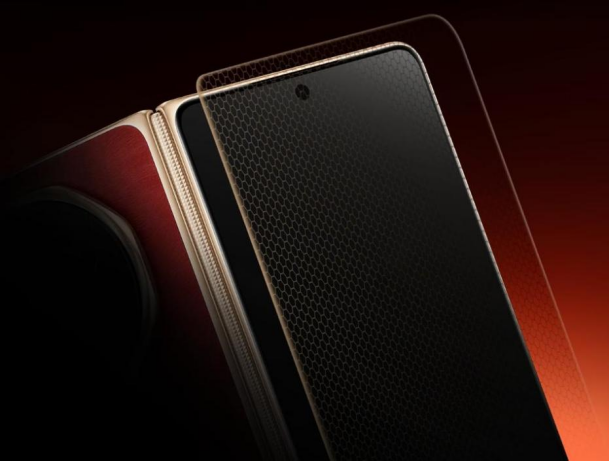
The display remains the most vulnerable part of the HONOR Magic V6, so screen protection plays a crucial role. Hardened glass, like Corning Gorilla Glass or similar branded glass, improves scratch and crack resistance but does not make the screen unbreakable. A raised bezel or slightly curved lip around the display helps absorb impact if the phone lands face down. Oleophobic coatings fight fingerprints but do not add real toughness. For extra security, many users add a tempered glass protector, which can take the hit instead of the main screen. Pair this with a well-fitted case that covers edges, and you greatly reduce damage risk.
Water, Dust, and Daily Wear
What IP Ratings Can and Cannot Promise?
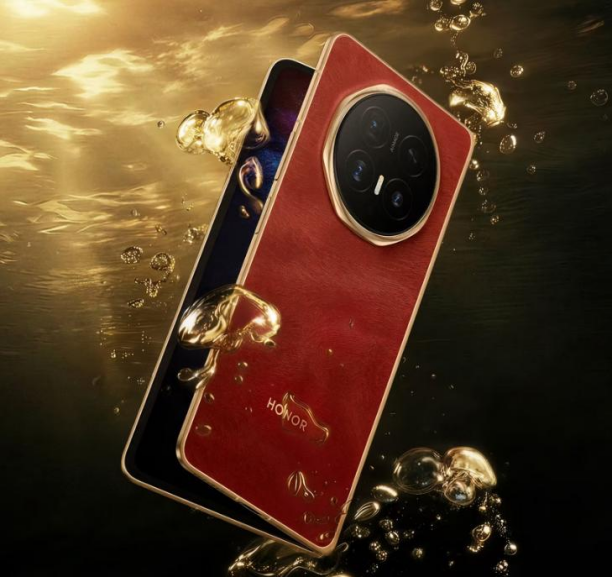
IP ratings tell you how well a smartphone resists dust and water under controlled lab conditions. The first digit shows dust protection, and the second digit shows water resistance. Common ratings like IP67 or IP68 mean the phone can handle brief immersion in fresh water at specific depths and times. However, IP tests do not cover salt water, high-pressure jets, hot tubs, or soapy liquids. They also assume a brand-new device with intact seals. Manufacturers often exclude liquid damage from warranties despite high ratings. Treat IP protection as an emergency safeguard, not a license to swim or shower with your phone every day.
Why Durability Can Weaken Over Time?
Even strongly built smartphones slowly lose durability as you use them. Tiny drops, temperature changes, and pressure in pockets can loosen seals and weaken glue. Rubber gaskets around buttons, SIM trays, and speaker grilles dry out or compress, reducing water resistance. Repeated bending during daily use may cause micro-cracks in solder joints or the frame. After a repair, especially third-party work, original sealing often does not return to factory levels. Dust and lint also gather in ports, making charging less stable and increasing wear. Regular cleaning, careful handling, and high-quality cases extend life, but every phone’s protective features fade with time.
Design Details That Support Long-Term Use
Check Hinges, Buttons, and Moving Parts
Moving parts usually fail first, so it pays to inspect them before buying. On standard phones, check the power and volume buttons for firm, clicky feedback instead of a mushy feel. Wobbly buttons signal poor construction and faster wear. For foldable phones, hinge quality becomes critical. Look for designs tested for hundreds of thousands of folds, solid-feeling motion, and minimal wobble. Check if dust can easily enter the hinge area and whether the manufacturer offers clear guidance on care. SIM trays, slider switches, and pop-up camera modules may also create weak points. Fewer moving parts, built with precision, usually mean better long-term durability.
Balance Slim Design With Practical Protection
Thin, light phones look sleek, but extreme slimness often sacrifices strength. Very narrow frames bend more easily, especially around button cutouts and large camera bumps. Ultra-slim designs leave less internal space for shock-absorbing structure. A small increase in thickness can allow stronger frames, bigger batteries, and better heat management, all of which support durability. Smooth, slippery finishes feel luxurious yet slide from hands and surfaces more often. A textured back or grippy case reduces drops dramatically. When comparing models, weigh style against everyday protection, and remember that a slightly thicker phone with good ergonomics often survives real-world use far better.
Conclusion
Smartphone durability depends on more than a single feature or catchy slogan. Strong frames, protected screens, reliable water resistance, and well-designed hinges and buttons all work together to keep your device intact. Over time, seals weaken, parts loosen, and protection slowly drops, so smart habits and protective accessories still matter. By checking real materials, design choices, and independent durability reviews, you can spot which phones cope best with drops, dust, and daily life. Investing in a robust device, then treating it with reasonable care, saves money, reduces frustration, and keeps your smartphone dependable for years instead of months.