
Smartphone size shapes how comfortable each moment of the day feels. The way a phone sits in your hand, slides into a pocket, or rests on a bedside table depends on its dimensions and weight. A device that feels perfect for movies may feel bulky on a commute. A compact phone that slips into any pocket may feel cramped for reading or typing long messages. Screen size, thickness, and weight all play a role, and small differences can change daily habits. Understanding these factors helps you choose a phone that fits your body, your routine, and your priorities.
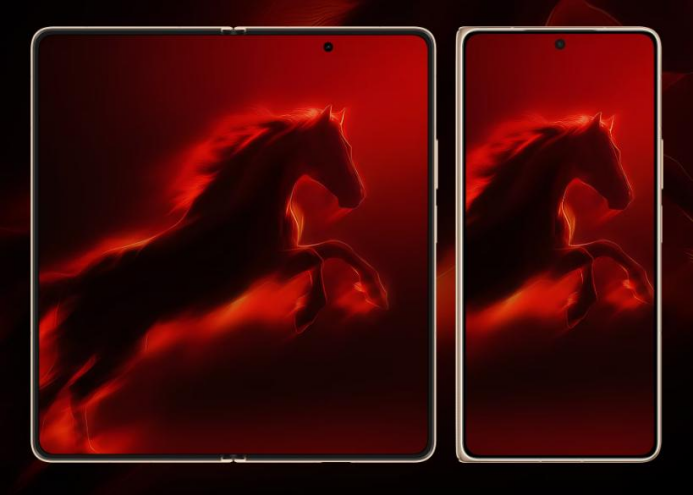
How Smartphone Size Influences Everyday Comfort and Convenience
One-Handed Use, Grip Comfort, and Daily Portability
One-handed use matters when you walk, ride public transport, or carry bags. A narrower phone is easier to reach across with your thumb, unlock, and scroll without strain. Wide, tall phones often force you to shuffle your grip or use two hands, which raises the chance of drops. Rounded edges and a slightly curved back usually feel more secure than sharp, flat sides, especially during long calls. Daily portability also depends on size. Slim, shorter phones slide into front pockets and small bags without bulging. Larger phones may press against your leg when you sit or move, and can feel awkward in tight jeans or fitted jackets.
How Screen Size Affects Reading, Browsing, and Communication
Screen size greatly influences how comfortably you read, browse, and communicate. A larger display shows more text at once, so you scroll less while reading articles, emails, or eBooks. Fonts look clearer at moderate sizes, which can reduce eye strain. Websites and social feeds also feel more spacious, making images and videos easier to view. On messaging apps, a big screen offers wider keyboards and better accuracy when typing fast. However, a huge display can feel overwhelming if you only check quick updates or send brief replies. Smaller screens work well for short texts and simple browsing, but they can feel cramped for long threads, document review, or frequent video calls.
The Impact of Smartphone Weight and Thickness on Comfort
Weight and thickness affect comfort more than many people expect. A heavier phone can feel premium at first, but long calls, extended gaming, or reading sessions may tire your fingers, wrist, or forearm. Frequent one-handed use amplifies this strain, especially when you reach across the screen. Thicker phones can fill the hand and feel secure, yet they may dig into your palm or press awkwardly against your pocket. Ultra-thin phones slide into bags easily but sometimes feel harder to grip. Balance also matters: when weight concentrates at the top, the phone feels top-heavy and easier to drop. A well-balanced, moderate-weight phone usually offers the best mix of comfort and stability.
Choosing the Right Smartphone Size for Your Lifestyle
Larger Smartphones for Productivity and Entertainment
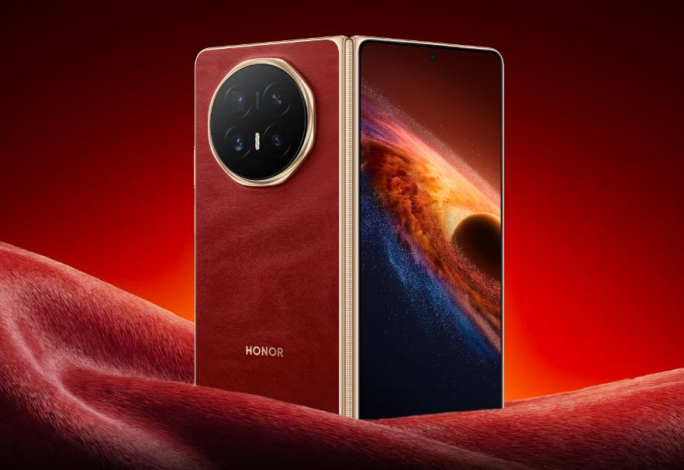
Larger smartphones suit people who treat their phone as a mini-computer. A big screen gives more room for multitasking, split-screen use, and working with documents or spreadsheets. HONOR Magic V6 lets you view emails, slides, and web dashboards without constant zooming. For entertainment, a larger display enhances movies, series, sports, and mobile gaming, with richer detail and more immersive visuals. Speakers often sound better on bigger bodies, which helps if you watch videos without headphones. The trade-off is bulk and weight. Large phones may require two hands most of the time and feel less comfortable in small pockets or during long one-handed use, so they fit best for users who prioritize media and work over maximum portability.
Compact Smartphones for Mobility and Easy Handling
Compact smartphones favor people who value lightness, simplicity, and mobility. A smaller footprint makes one-handed use natural and quick, ideal for busy commutes, walking, or frequent multitasking in daily life. You can unlock, reply, and snap quick photos with less effort and fewer grip changes. These phones drop into almost any pocket, small purse, or running armband without hassle. They often feel more discreet during calls and find it easier to hold for long periods. The downside is less screen real estate for video, gaming, or detailed documents. Typing on a smaller keyboard can also challenge larger hands. Compact phones work best if you prioritize comfort on the move and mainly perform light tasks and short sessions.
Conclusion
Smartphone size touches nearly every part of daily comfort, from grip and pocket fit to reading clarity and wrist strain. Larger phones excel at productivity and entertainment, but can feel heavy and awkward in tight spaces. Compact models slip easily into pockets and hands, yet they limit screen space for media and complex tasks. The right choice depends on how you actually use your phone: constant on-the-go messaging, long streaming sessions, or work-oriented multitasking. By weighing size, weight, and display needs together, you can select a smartphone that feels natural, reduces strain, and supports your routines all day.