
Sleep quality depends on routine, environment, and consistency. Smartphones now play an active role in shaping all three. Instead of only distracting users, they can also guide healthier habits when used with intention. People rely on their phones to set schedules, monitor patterns, and create structured wind-down routines. These functions help users become more aware of how they sleep and what affects their rest. With the right approach, smartphones act as personal sleep assistants rather than interruptions. They support better timing, reduce uncertainty, and encourage consistency. This shift shows that technology does not always reduce rest. In many cases, it helps individuals improve how and when they sleep.
How Smartphones Help Build Better Sleep Habits?
Structured Bedtime Routines Become Easier to Maintain
Smartphones help users create consistent bedtime routines. Alarms and reminders signal when to start winding down. These cues reduce reliance on memory or guesswork. People can schedule notifications that remind them to stop working, dim lights, or prepare for sleep. Over time, this builds a predictable pattern. The body responds to routine, making it easier to fall asleep at a similar time each night. Smartphones also allow users to adjust schedules based on lifestyle changes. This flexibility helps maintain consistency even when daily routines shift. A structured approach to bedtime improves both sleep duration and overall quality.
Sleep Tracking Provides Clear Insights
Many smartphones offer tools that track sleep patterns. These tools record how long users sleep and identify trends over time. By reviewing this data, individuals gain a clearer understanding of their habits. They can see how different behaviors affect their rest. For example, going to bed later may reduce total sleep time, while consistent schedules may improve it. This awareness encourages better decisions. Instead of guessing, users rely on real data to adjust their routines. Tracking also helps identify progress, which motivates users to maintain healthy habits. Clear insights turn sleep improvement into a measurable process.
Relaxation Features Support Wind-Down Time
Smartphones provide features that support relaxation before sleep. Users can listen to calming audio, guided breathing sessions, or ambient sounds. These tools help reduce mental activity and prepare the body for rest. Instead of engaging with stimulating content, users shift their focus to relaxation. This creates a smoother transition from wakefulness to sleep. Over time, the brain associates these activities with rest, making it easier to fall asleep. Smartphones offer a convenient way to access these resources without additional devices, simplifying the process of building a calming nighttime routine.
How Smartphones Encourage Smarter Sleep Management?
Screen Settings Help Create a Sleep-Friendly Environment
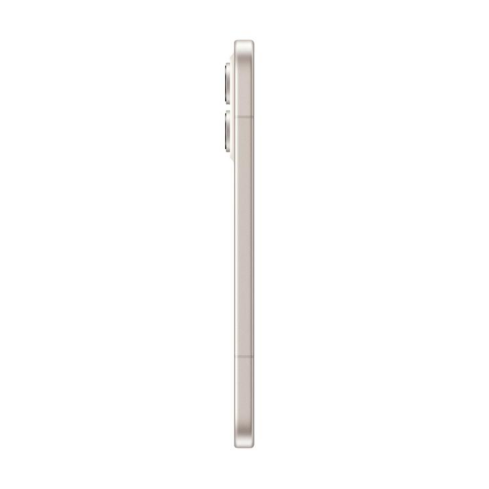
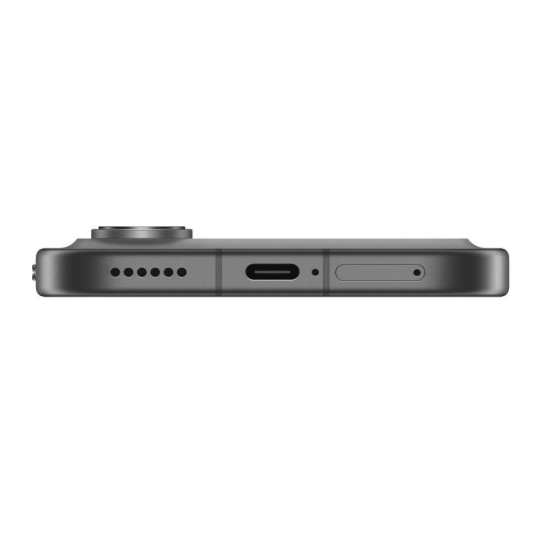
Smartphones allow users to adjust screen settings to support better sleep. Features such as reduced brightness and warmer display tones help create a more comfortable viewing experience at night. These adjustments signal the body to prepare for rest rather than stay alert. Users can automate these settings based on time, ensuring consistency without manual changes. Devices like the HONOR 600 phone in UAE support this type of seamless adjustment, allowing users to maintain a comfortable environment while staying connected. By managing screen exposure, users can reduce disruptions and improve their ability to fall asleep more easily.
Time Management Tools Reduce Late-Night Usage
Smartphones include tools that help users control how long they spend on their devices. App timers and usage limits encourage individuals to reduce screen time before bed. When users reach their set limits, they receive reminders to stop using certain apps. This creates a natural boundary between screen activity and rest. Instead of relying on willpower alone, users have structured support. These tools help break habits such as late-night scrolling. Over time, reduced screen time leads to earlier bedtimes and longer sleep duration, improving overall sleep quality.
Personalized Routines Adapt to Individual Needs
Smartphones allow users to customize their sleep routines based on personal preferences. Each person has different habits, schedules, and environments. Smartphones provide flexibility to match these differences. Users can choose when to receive reminders, what type of relaxation content to use, and how to track their progress. This personalization makes routines more effective. People are more likely to follow habits that fit their lifestyle. Smartphones support this adaptability, helping users create routines that feel natural rather than forced. This approach increases consistency, which is key to improving sleep over time.
Conclusion
Smartphones can improve sleep time by supporting better habits, providing useful insights, and enabling personalized routines. They help users build structured bedtime schedules, track sleep patterns, and access relaxation tools that prepare the body for rest. At the same time, features such as screen adjustments and time management tools reduce behaviors that delay sleep. The key lies in how individuals use these capabilities. Smartphones offer flexibility and control, allowing users to shape their routines according to their needs. When used thoughtfully, they become valuable tools that promote consistent, restful sleep rather than disrupt it.