
Foldable smartphones turn one device into both a compact phone and a tablet-sized screen. Users gain more space for apps, videos, and work tools without carrying extra gadgets. Brands refine hinges, displays, and software so folding feels natural and smooth. People check emails, edit documents, and watch movies on a larger canvas, then fold the phone to pocket size. This mix of power and portability changes habits throughout the day. Foldables now serve as flexible hubs for work, entertainment, and constant communication.
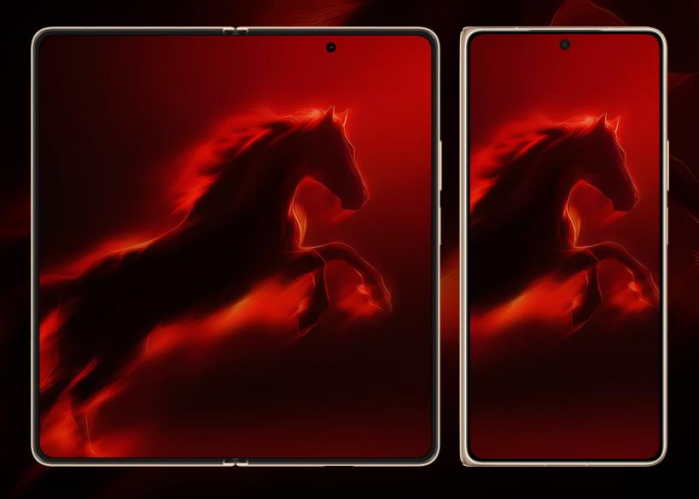
Foldable Smartphone Features That Improve Productivity and Convenience
Larger Displays Make Multitasking Easier
Unfolding a foldable phone reveals a screen closer to a small tablet. Users see more of spreadsheets, documents, and presentations without endless scrolling or zooming. Email inboxes show more lines, and calendars display whole weeks clearly. Designers gain extra space for timelines and toolbars. Video calls feel less cramped because faces and shared screens appear larger. This extra real estate reduces eye strain and speeds up daily tasks, making every tap and swipe more efficient while still fitting in a pocket.
Split-Screen Apps and Floating Windows Improve Workflow
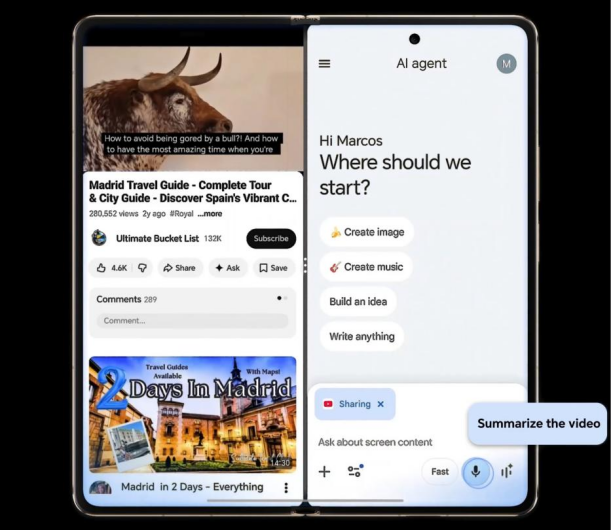
Foldable phones support advanced multitasking layouts that standard phones struggle with. Users open two or three apps side by side, such as email, browser, and chat, and move text or images between them. Floating windows keep a calculator, notes, or messaging bubble always visible above other apps. Drag-and-drop input becomes routine. This setup mirrors a small laptop workspace, so people compare data, research topics, and respond to messages without constant app switching, which reduces friction and keeps focus on tasks.
Flexible Viewing Modes for Work, Video Calls, and Content Creation
Foldables often support several modes: fully open, partially folded, or tent-style on a desk. Users tilt the device to keep the keyboard on one half and content on the other. During video calls, they prop it up without stands, leaving their hands free to type or take notes. Creators adjust the angle for photos, time-lapses, or top-down shots. This flexibility turns any table into a mini workstation or studio, and the phone adapts to the situation instead of forcing awkward hand positions.
Foldable Smartphone Features That Enhance Entertainment Experiences
Immersive Video Streaming on Expanded Screens
Streaming movies and shows feels closer to a tablet experience on a foldable screen. The larger panel makes details stand out, from subtle expressions to small text in subtitles. Many foldables support high resolutions and wide color gamuts, which deliver bright, sharp images with deep contrast. Users watch content in landscape mode while still keeping controls easy to reach. When folded, they switch to quick clips or short videos. This flexibility helps people enjoy cinematic viewing without carrying an extra media device.
Better Mobile Gaming With Larger Displays and Faster Refresh Rates
Mobile games gain room for on-screen controls and detailed graphics on foldable displays. Players see more of the game world, maps, and heads-up displays without clutter. High refresh rates make motion smoother, which helps in fast shooters and racing titles. The bigger surface spreads out touch inputs, reducing accidental taps. Some foldables support landscape layouts that mimic small handheld consoles. Combined with powerful chips and better cooling, these features turn foldables into strong portable gaming devices for both casual and serious players.
Improved Audio, Reading, and Social Media Experiences
Foldable phones often ship with upgraded speakers and tuned audio profiles. Users enjoy clearer dialogue in videos and richer sound for music and podcasts. The larger screen also improves reading: eBooks display like small pages, and articles show full-width layouts that reduce scrolling. Social media feeds reveal more photos and comments at once, making browsing quicker and more engaging. When folded, the outer display still handles quick checks and replies, so people move between deep sessions and brief glances without effort.
Smart Features That Transform Everyday Mobile Use
AI Tools That Simplify Daily Tasks and Communication
Foldable smartphones integrate AI assistants to handle routine tasks and context-aware suggestions. Users summarize long messages, translate chat threads, or clean up photos with a few taps. AI can suggest split-screen pairings, like notes beside a video meeting, based on habits. Voice commands set reminders, draft replies, or start navigation without stopping what’s on screen. These tools adapt to the larger canvas, offering multi-panel views of suggestions. The result is a smoother daily flow where the phone anticipates needs instead of just reacting.
Better Portability Through Slim and Lightweight Designs
Modern foldables aim to balance screen size with comfort in the hand and pocket. Manufacturers refine hinges, thin out frames, and use lighter materials. When folded, the HONOR Magic V6 fold phone slips into small bags and pockets, yet it unfolds into a workspace or theater. Users carry one device instead of juggling a phone and tablet. Improved durability, water resistance, and stronger ultra-thin glass also reduce worries about daily wear. This focus on portability makes foldables practical for commuting, travel, and busy urban lifestyles.
Cross-Device Connectivity and Smarter User Experiences
Foldable smartphones often sit at the center of a broader tech ecosystem. Users connect laptops, tablets, earbuds, and smartwatches seamlessly. Files move between devices through shared clipboards, nearby share tools, or cloud sync, so work continues from phone to desktop instantly. Second-screen modes let the foldable act as an extra display or input panel. Brands optimize interfaces to remember app layouts when switching devices. This tight integration turns the foldable into a control hub that coordinates tasks across many screens.
Conclusion
Foldable smartphones reshape everyday mobile habits by blending portability with tablet-like power. Larger displays, split-screen tools, and flexible viewing modes support serious productivity on the go. Expanded screens and better audio raise the quality of streaming, gaming, reading, and social scrolling. AI features, slim builds, and cross-device connectivity then tie everything together into a cohesive experience. Users gain more control over how they work and relax, with one device adapting to many roles. As designs improve, foldables will likely move from niche to mainstream.